- 0
- 728 words
Power generation plants operate in some of the most demanding industrial environments. Whether in thermal, hydro, or combined-cycle power stations, components are exposed to extreme heat, pressure fluctuations, rotational forces, and continuous mechanical stress.
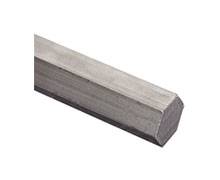
To ensure safe and efficient energy production, critical parts such as turbine shafts, steam valve components, pump shafts, and high-pressure fasteners must be manufactured using high-performance materials. One such widely used material is SS 410 Black Forged Bar, known for its strength and durability in heavy-duty applications.
Turbine Shafts: The Core of Power Transmission
Turbine shafts play a central role in converting mechanical energy into electrical energy. In thermal power plants, steam rotates the turbine, while in hydro plants, flowing water drives the turbine blades. The shaft transfers this rotational energy directly to the generator.
Key Performance Requirements:
-
High tensile and yield strength
-
Excellent fatigue resistance
-
Dimensional stability
-
Resistance to torsional stress
-
Thermal endurance
Materials such as alloy steels, chromium-molybdenum steels, and martensitic stainless steels are commonly used. SS 410 Black Forged Bar is particularly suitable for certain turbine-related components due to its hardness and wear resistance after heat treatment. The forging process improves internal grain structure, enhancing mechanical reliability under continuous load.
Steam Valve Components in Thermal Plants
Steam valves regulate and control the flow of high-temperature, high-pressure steam in boilers and turbine systems. These valves operate under extreme conditions, making material selection crucial.
Challenges Faced by Steam Valves:
-
Constant exposure to elevated temperatures
-
High internal pressure
-
Corrosive steam environment
-
Mechanical wear and stress
SS 410 Black Forged Bar is often used in valve stems, shafts, and internal parts because it offers a strong balance between mechanical strength and corrosion resistance. Alongside SS 410, other materials such as stainless steel 304, stainless steel 316, and alloy steels are used depending on the pressure rating and operating temperature.
Pump Shafts in Hydro and Thermal Systems
Pumps are essential for circulating water, coolant, and other fluids throughout the plant. Pump shafts must operate continuously without deformation or excessive wear.
Operational Demands:
-
High rotational speed
-
Torque resistance
-
Vibration endurance
-
Moisture and corrosion exposure
Materials commonly selected for pump shafts include duplex stainless steel, alloy steel grades, and SS 410 Black Forged Bar. Its forged strength and machinability make it a reliable option for heavy-duty rotating equipment in both hydroelectric and thermal power applications.
Fasteners for High-Pressure Systems
Fasteners may seem small, but in power plants, they hold together boilers, pressure vessels, flanges, turbines, and pipelines operating under intense pressure.
Requirements for High-Pressure Fasteners:
-
High tensile strength
-
Resistance to thermal expansion
-
Fatigue resistance
-
Corrosion protection
Fasteners are typically manufactured from alloy steels, heat-treated stainless steels, and chromium-molybdenum grades. In certain applications, SS 410 Black Forged Bar material is processed into bolts and studs that require additional hardness and mechanical strength.
Importance of Heat and Mechanical Stress Resistance
In thermal and hydro power plants, materials must withstand:
-
Continuous exposure to high temperatures
-
Mechanical vibration and shock loads
-
Pressure fluctuations
-
Long operational cycles without failure
The ability of SS 410 Black Forged Bar to endure heat and mechanical stress makes it highly suitable for demanding energy sector applications. When properly heat-treated and machined, it provides dependable performance in structural and rotating components.
Manufacturing & Quality Control in Power Generation Components
To meet industry standards, power plant components undergo strict manufacturing and inspection procedures:
-
Forging to enhance grain flow and strength
-
Heat treatment to improve hardness and durability
-
Precision CNC machining for accurate dimensions
-
Non-destructive testing (NDT) for defect detection
-
Surface finishing and protective coatings
These processes ensure that components perform reliably under high-pressure and high-temperature conditions.
Future Outlook in Power Plant Materials
As global energy demand increases, power plants are moving toward higher efficiency systems and advanced turbine technologies. This evolution requires stronger, more heat-resistant materials capable of handling greater loads.
While new composite and superalloy materials are emerging, traditional forged steels and martensitic stainless steels like SS 410 Black Forged Bar continue to play a critical role due to their proven mechanical properties and cost-effectiveness.
Conclusion
Power generation technology depends on materials that can perform under extreme operational stress. Turbine shafts, steam valve components, pump shafts, and high-pressure fasteners must offer durability, heat resistance, and mechanical strength.
SS 410 Black Forged Bar, along with alloy steels and stainless steel grades, remains an essential material choice in thermal and hydro power plants. With its ability to withstand heat and mechanical stress, it continues to support reliable and efficient power generation worldwide.
Author

john@gmail.com
Related Posts
Automotive SEO Agency: How to Choose the Right SEO Partner for Your Automotive Business
- 0
- 1,600 word
The automotive industry has become increasingly competitive in the digital era. Consumers no longer rely solely on dealership visits or traditional advertising...
Read out allHow Can Spotlights Transform Residential Lighting in Your Home?
- 0
- 1,368 word
Lighting plays a powerful role in shaping the look and feel of any home. The right spot lights can dramatically enhance residential...
Read out all
The Importance of LinkedIn for Job Seekers and How to Create a Job Search Email Address for Professional Success
- 0
- 1,396 word
In today’s competitive job market, professionals need more than just qualifications to stand out. Employers look for candidates who present themselves professionally,...
Read out allYouTube Overtakes Major Hollywood Studios in 2025 Ad Revenue: A Turning Point for Digital Entertainment
- 0
- 1,331 word
The global entertainment landscape is undergoing a massive transformation. For decades, traditional Hollywood studios dominated advertising and audience attention. However, recent data...
Read out all
Key Benefits of Using an AI Model Directory for Machine Learning Projects
- 0
- 742 words
Artificial Intelligence and machine learning are evolving rapidly, with thousands of models being developed for tasks such as natural language processing, computer...
Read out allAverage Cost of Website Design for Small Business UK
- 0
- 482 words
When small businesses plan to create a website, one of the first questions they ask is about the average cost of website...
Read out all