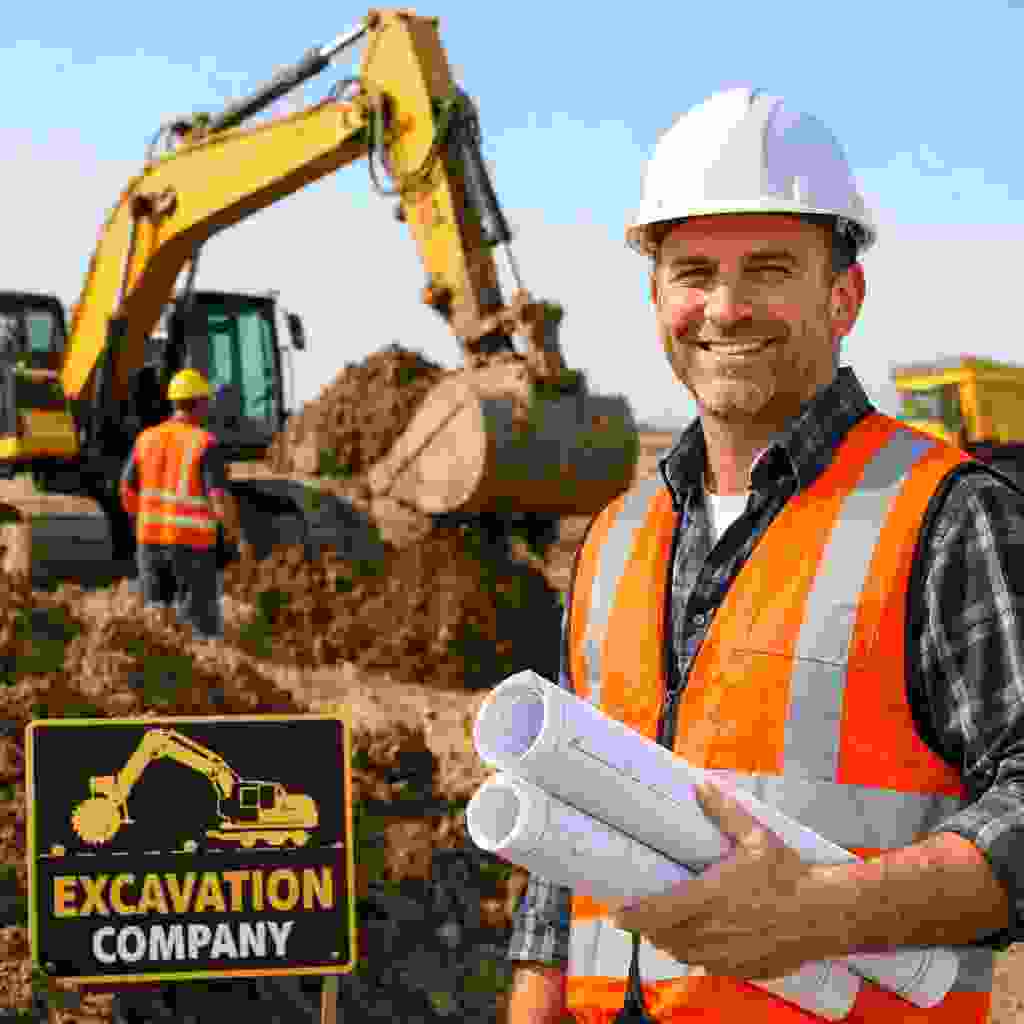
You need reliable excavation services to start any site project right: it sets foundations, controls drainage, and prepares terrain for landscaping, pools, septic systems, or building work. Choose the right excavation service and you reduce delays, protect your budget, and avoid costly rework.
This article explains what excavation teams do, how services differ for residential and commercial jobs, and which credentials and capabilities matter when you hire. Expect practical guidance to help you evaluate companies, compare bids, and make decisions that keep your project on schedule and within code.
Excavation Services Overview
You’ll find information on common project types, the steps crews take before digging, and the heavy equipment typically used. Focus stays on practical details you need to plan, hire, or supervise excavation work.
Types of Excavation Projects
Excavation covers residential, commercial, and infrastructure work. Residential projects include foundation digging, basement excavation, pool and pond creation, and utility trenching. These jobs prioritize property protection, precise depths, and limited access for safety.
Commercial excavation involves larger-scale site grading, building pad preparation, mass earthmoving, and stormwater detention basins. You’ll often see phased work, strict elevation tolerances, and coordination with multiple trades.
Infrastructure excavation includes road and highway cut-and-fill, utility corridors, sewer and water mains, and bridge abutment excavation. These projects demand traffic control plans, erosion control, and compliance with municipal permits and inspection schedules.
Site Preparation Process
You begin with site assessment: topographic survey, soil testing (borings or test pits), and locating underground utilities. Accurate locates and geotechnical reports reduce risk and guide excavation depth, slope angles, and shoring needs.
Next comes clearing and demolition: removing vegetation, existing structures, and unsuitable fill, then installing erosion and sediment controls. You’ll see staging areas set aside for stockpiles and equipment access routed to minimize surface damage.
Finally, layout and protection: crews stake grades, set batter boards, and install temporary shoring or retaining systems where required. Inspections often occur at key milestones—pre-excavation, depth confirmation, and prior to backfill—so plan scheduling around those checks.
Equipment Used in Excavation
Excavators (mini to large) perform most digging tasks; you’ll pick size based on trench depth and reach. Backhoes serve dual roles for trenches and small grading; skid steers handle tight spaces and material handling.
Bulldozers and motor graders grade and shape large sites, while dump trucks move excavated material off-site. For trenching and compacting, trenchers and vibratory plate compactors speed work and ensure stable subgrades.
You may also need specialty gear: sheet piling rigs or hydraulic shoring for deep trenches, rock breakers or hydraulic hammers for rock excavation, and water pumps for dewatering. Match equipment choice to soil conditions, site access, and project timeline to control costs and maintain safety.
Selecting a Professional Excavation Company
You should prioritize proven experience, clear safety practices, and transparent pricing when hiring excavation services. Verify licenses, inspect equipment, and compare written estimates to avoid surprises.
Key Qualities to Look For
Look for a company with at least several years of local experience working on projects similar to yours. Ask for references and recent project photos that show work on same soil types, slope conditions, or utility work you need.
Confirm they own or regularly maintain the specific equipment your project requires — e.g., tracked excavators, compactors, rock breakers. Owned equipment reduces rental delays; maintenance logs show reliability.
Check for specialized qualifications like certified operators, utility-locating capability, and experience with permits in your jurisdiction. Review contract terms for scope, change-order procedures, and warranty or punch-list commitments.
Trust companies that provide a clear project schedule, a single point of contact, and daily progress reporting. Those operational details reduce delays and improve coordination with other trades.
Safety and Compliance Standards
Require proof of state or provincial licensing and current general liability and workers’ compensation insurance. Ask for policy limits and request to be named as an additional insured when appropriate.
Review the contractor’s safety program: written safety plan, toolbox talk records, and OSHA (or local equivalent) compliance history. Request recent safety training certificates for site supervisors and equipment operators.
Confirm their utility-locating process: use of one-call services, on-site potholing or vacuum excavation when near known lines, and documented pre-excavation surveys. These steps reduce risk of service outages and costly repairs.
Inspect site controls they will implement: traffic control, erosion and sediment measures, and slope protection. Require a stop-work authority clause in the contract so unsafe conditions get paused immediately.
Obtaining Accurate Quotes
Ask for itemized, written estimates that separate labor, equipment, materials (e.g., pipe bedding, backfill), permits, and disposal fees. Itemization makes it easier to compare bids and spot omissions.
Provide contractors the same project documents: site plans, soil reports, utility maps, and access constraints. Consistent input yields comparable quotes and fewer change orders.
Clarify assumptions: subsurface conditions, expected rock removal, dewatering needs, and permit timelines. Have the contractor document allowances and unit prices for unforeseen work.
Request a fixed-price option and a time-and-materials option with agreed hourly rates and equipment rates. Include a clear change-order approval process and retainage terms to protect your budget.
Author

admin@genesisgoldassets.com
Related Posts

AI Automation Agency Dubai: What Every Business Owner Must Know Before Hiring One
Dubai didn’t become a global business magnet by moving slowly. One number I often use to frame the “speed” of this market:...
Read out all
Cheap Hosting Service : The Myth About Speed & Support
Cheap Hosting Service you’ve heard the stories. Someone grabs the $1.99/month hosting deal, launches a site, and everything feels fine… for about...
Read out all
Why You Should Order from Labubu Official Store
When it comes to unique collectibles and delightful gift options, Labubu stands out. With a vibrant collection that appeals to both young...
Read out all
Why Choose Labubu Online Store for Your Next Shopping Poland
Welcome to the world of Labubu Online Store, where shopping becomes an exciting adventure! If you’re on the hunt for unique products...
Read out all
Why Corteiz Clothing Customer Brand is the Best Choice
When it comes to fashion, finding a brand that resonates with your style and values can be quite the challenge. Enter Corteiz...
Read out allLabubu United States: Playful Designer Toys That Blend Art and Fun
Labubu United States has become a pioneer in the world of designer toys, blending creativity and play in unique ways. These toys...
Read out all