- 0
- 839 words
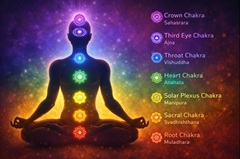
You feel creative impulses, emotional shifts, and pleasure in your body—but if those energies feel blocked or misaligned, the sacral chakra (svadhisthana) is often the center to explore. The sacral chakra sits below your navel and governs creativity, emotional expression, and sensuality, so balancing it can restore flow, confidence, and more ease in relationships and self-expression.
This post will help you understand what an overactive or blocked sacral chakra looks like, how its color, element, and practices connect to your feelings, and practical steps—like meditation, yoga, affirmations, and lifestyle choices—to begin healing and balancing it.
Understanding the Sacral Chakra
The sacral chakra meaning governs your creative expression, sexual energy, and emotional fluidity. It links bodily sensation with desire, shaping how you engage with pleasure, relationships, and imaginative work.
Origins and Symbolism
The sacral chakra, called Svadhisthana in Sanskrit, appears in classical yogic texts as the second of seven primary energy centers. Its name translates to “one’s own abode,” emphasizing personal identity tied to feeling and desire.
Symbolically, the sacral chakra is associated with the color orange and the element of water. Traditional icons show a six-petaled lotus and often include a crescent moon, representing rhythm, change, and receptivity. These symbols point to movement, adaptability, and fertile potential rather than fixed outcomes.
You can interpret the sacral chakra as the center where impulse becomes form—where sensation motivates creation. In practice, its symbols guide meditations and visualizations aimed at increasing emotional openness and sexual health.
Location and Associated Elements
You locate the sacral chakra roughly two to three inches below your navel and above the pubic bone. Physically, it corresponds to the lower abdomen, reproductive organs, and parts of the pelvic region.
The primary element linked to this chakra is water, which signifies flow, flexibility, and the capacity to adapt. You’ll also see associations with the moon and fluid cycles, underscoring rhythms in mood and fertility.
Physiologically, modern parallels connect this region to the sacral plexus and autonomic functions that influence sexual response and visceral sensations. When you address the sacral area—through breathwork, pelvic-focused movement, or mindful touch—you directly engage systems that regulate pleasure and reproductive health.
Connection to Emotions and Creativity
The sacral chakra shapes how you experience pleasure, form attachments, and express creativity. Emotional openness, receptivity to intimacy, and the ability to enjoy sensory experiences stem from balanced sacral energy.
Creative flow often emerges from this center because it links feeling to impulse. When your sacral energy functions well, you move from internal sensation to external creation—writing, art, music, or nurturing relationships—with less self-censorship.
Imbalances can show as emotional numbness, moodiness, sexual dysfunction, or compulsive behavior. You can work with swings in emotional regulation through practices like expressive movement, creative projects, and focused breath that restore fluidity and healthy boundaries between desire and action.
Balancing and Healing the Sacral Chakra
You can identify emotional, creative, and sexual energy issues and use practical, repeatable methods to restore fluidity and pleasure. The steps below show how to recognize specific signs, apply targeted techniques, and track the benefits of a balanced sacral chakra.
Signs of Imbalance
Emotional numbness, mood swings, or chronic low motivation often indicate a sacral chakra that is underactive. You may avoid intimacy, feel disconnected from pleasure, or struggle to express creativity.
An overactive sacral chakra can cause impulsive sexual behavior, emotional overwhelm, or excessive attachment to sensations and relationships. Physical symptoms include lower abdominal pain, pelvic issues, or irregular reproductive health complaints.
Pay attention to patterns: repeated creative blocks, difficulty setting boundaries in relationships, or persistent guilt around pleasure point to energetic imbalance. Use a simple symptom checklist weekly to monitor changes and triggers.
Techniques for Restoration
Use body-based practices first: pelvic-opening yoga poses (like pigeon, butterfly, and hip circles) and mindful pelvic breathing for 5–10 minutes daily. These release trapped tension and increase circulation in the lower abdomen.
Add emotion-focused exercises: journaling prompts about desire and boundaries, expressive art sessions for 20–30 minutes twice weekly, and guided visualizations that imagine orange light flowing through your lower belly. Keep sessions regular to build momentum.
Incorporate sensory tools: wear or place orange stones (carnelian, orange calcite) near your workspace, diffuse essential oils (sandalwood or ylang-ylang) for 10–20 minutes, and listen to music with steady rhythmic beats to stimulate creative flow. Combine these with a 5-minute grounding routine after each practice.
Consider therapy or somatic work if trauma or chronic avoidance underlies the imbalance. A licensed therapist or somatic practitioner can guide safe processing and reintegration.
Benefits of a Balanced Sacral Chakra
When balanced, you experience clearer creative inspiration and consistent motivation to pursue projects. You express emotions honestly without becoming overwhelmed.
You likely notice healthier sexual expression—greater comfort with desire, improved intimacy, and clearer boundaries. Physically, you may see reduced pelvic tension and more stable reproductive health.
Daily life becomes more pleasurable and resilient: decision-making improves because your emotional responses align with your values. Track improvements with a weekly journal that logs mood, creativity output, and relationship satisfaction to confirm progress.
Author

admin@genesisgoldassets.com
Related Posts

Insurance Coverage for Addiction Treatment in Connecticut: What Are Your Options?
- 0
- 560 words
Addiction treatment is a critical healthcare service, and insurance coverage often determines how easily people can access it. In Connecticut, many individuals...
Read out all
Physical Therapy for Neck Pain: 8 Causes and 5 Relief Tips
- 0
- 1,104 word
Neck pain is one of the most common musculoskeletal problems affecting adults today. Long hours of sitting, poor posture, frequent phone use,...

Why Maintaining Oral Hygiene Is Crucial for Long-Term Health
- 0
- 1,260 word
Oral hygiene is much more than just keeping your teeth clean—it is a vital aspect of your overall health. Many people underestimate...
Read out allLifeguard Certification: Official Training for Aquatic Safety and Emergency Response
- 0
- 1,131 word
Lifeguard certification is the official recognition that an individual has successfully completed the necessary training to become a lifeguard. This certification validates...
Read out all
Why Food Product Development Consultants Are Essential for Launching New Products
- 0
- 954 words
Bringing innovative food and beverage products to market requires far more than creative recipes and appealing flavors. Success demands expertise in formulation...
Read out all
Herpafend Official Formula: A Natural Approach to Viral Balance
- 0
- 1,264 word
Herpafend buy searches are becoming more common among individuals who want to support their body’s natural balance and strengthen their immune health....
Read out all