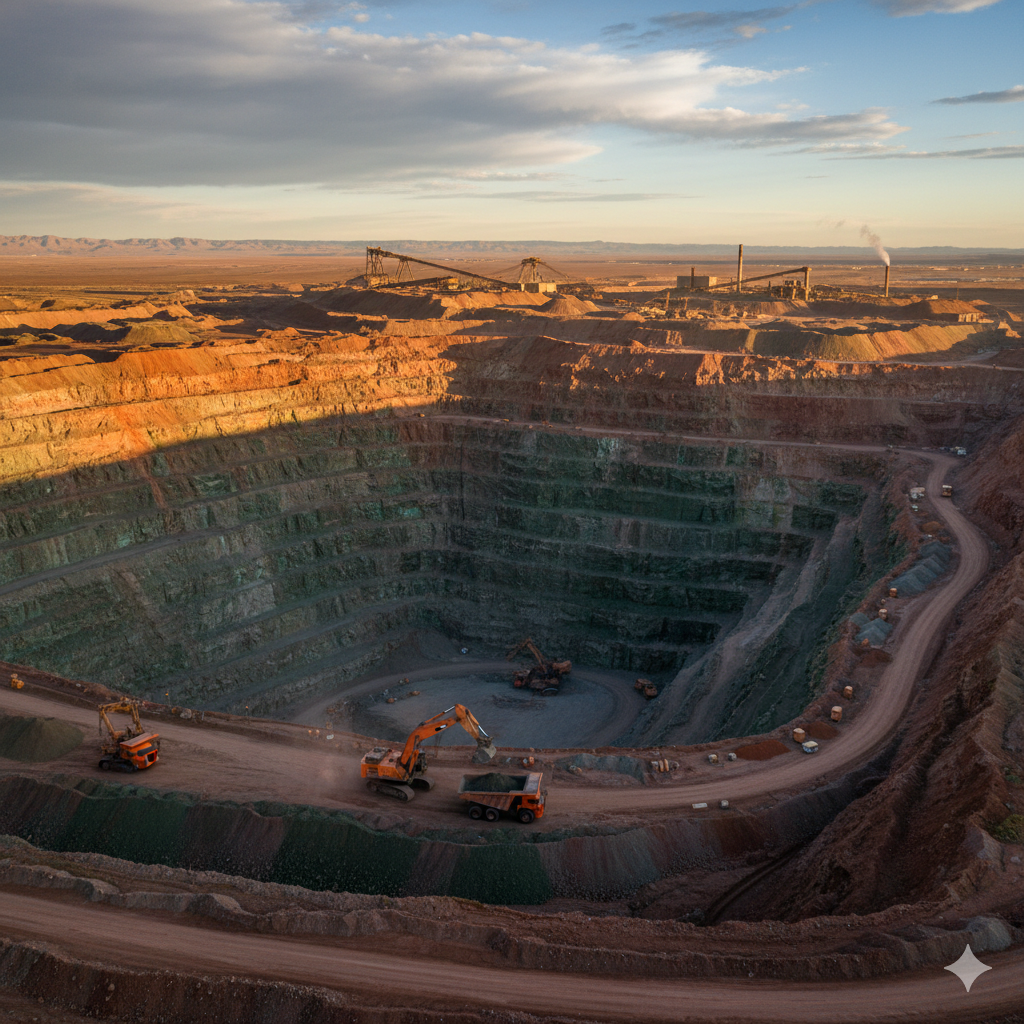
You’ll find mining in Michigan ties the state’s past to its present economy and future needs, from 19th-century copper and iron booms to modern nickel and rare-earth prospects. You can expect an overview of where Mining in Michigan happens now, which minerals drive the state’s economy, and how regulations and environmental concerns shape new projects.
This post will walk you through the historical roots that set the Upper Peninsula and other regions on a mining path, show what active operations and emerging critical‑mineral efforts look like today, and explain the economic and regulatory trade‑offs that matter to communities and policymakers.
History and Current State of Mining in Michigan
Michigan’s mining story spans 19th-century copper booms, large-scale iron ore production, and today’s renewed interest in battery metals and aggregates. You’ll find active sites mainly in the Upper Peninsula and scattered industrial-material operations elsewhere in the state.
Early Mining Operations
You can trace large-scale mining in Michigan to the 1840s when the Keweenaw Peninsula sparked the U.S. native copper boom. Prospectors and companies sank shafts, dug open pits, and built smelters; towns such as Houghton and Calumet grew around those operations.
Iron ore followed as a dominant commodity in the late 1800s, with the Marquette and Menominee ranges supplying ore to Great Lakes steel mills. Mining infrastructure expanded—rail, ports, and processing plants—shaping regional economies.
Small-scale and indigenous extraction predated commercial mining, but the 19th–20th century industrial phase left the largest imprint on Michigan’s landscape and settlement patterns.
Major Mineral Resources and Locations
Michigan’s key minerals include copper, iron, nickel, and industrial aggregates like sand, gravel, and cement-grade limestone. The Keweenaw Peninsula remains associated with copper; the Marquette and Menominee ranges host iron deposits.
More recent exploration targets nickel, copper, and critical battery metals in parts of the Upper Peninsula and Gogebic Range. You’ll also find extensive nonmetallic mining: sand and gravel operations across southern Lower Peninsula and limestone quarries used for cement and construction.
State records list over 1,800 identified mines; the mixture of historic mine sites and active operations means reclamation and regulatory oversight vary by commodity and location.
Modern Mining Techniques
You’ll see modern Michigan mines using both underground and open-pit methods adapted to ore body geometry. Exploration commonly relies on core drilling, geophysics, and GIS-based targeting to define reserves before development.
Processing has moved toward more efficient milling, flotation for sulfide ores, and improved tailings management. Automated haulage, remote monitoring, and GPS-guided equipment reduce personnel exposure and raise productivity at larger sites.
Environmental controls—water treatment, dust suppression, and staged reclamation—now form integral parts of project design to meet state regulations and community expectations.
Significant Mining Companies
You’ll encounter a mix of regional operators, family-owned firms, and juniors focused on exploration and development. Larger companies historically ran iron and copper operations; today juniors and mid-tier firms dominate new exploration for battery metals.
Prominent names vary by commodity and project stage: established contractors manage aggregate and limestone quarries; exploration companies hold permits and drill programs in the Upper Peninsula for copper-nickel targets.
- Local firms often handle sand, gravel, and cement production for regional construction markets.
- Exploration companies pursue NI 43-101 or similar resource reporting to attract investment and advance toward production.
Bold regulatory oversight and active permitting mean you should track company filings, Michigan Department of Environment, Great Lakes, and Energy notices, and public meeting records to follow specific projects.
Economic, Environmental, and Regulatory Impacts
Mining supports jobs, generates tax revenues, and demands strict environmental controls and permitting. You will find direct economic benefits, active water and land protections, a layered regulatory system, and growing expectations for community involvement and reclamation.
Economic Contributions to Michigan
Mining directly employs miners, engineers, and contractors in regions such as the Upper Peninsula and parts of the Lower Peninsula. You benefit when projects create high-wage jobs, purchase local services, and increase demand for housing, transportation, and equipment.
Tax revenues and royalties from operating mines fund local and state services. Companies also invest in infrastructure upgrades—roads, power, and ports—that support other industries.
You should note that mining’s economic footprint extends to supply chains: smelters, processing facilities, and mining suppliers create secondary employment. Project timelines and commodity prices cause employment and revenue to fluctuate, so communities often rely on financial assurances and reclamation bonds to stabilize long-term fiscal expectations.
Environmental Management Practices
You will see acid rock drainage prevention, groundwater monitoring, and progressive reclamation as core environmental practices in Michigan mining. Operators commonly implement engineered tailings containment, lined impoundments, and active water treatment systems to limit metal leachate and sediment discharge.
Reclamation plans define post-mining land uses—wetlands, wildlife habitat, forestry, or recreation—and companies must provide financial assurance to guarantee implementation. Ongoing monitoring programs track surface water, groundwater, and biological indicators to confirm performance.
Best practices also include staged disturbance to reduce exposed rock, dust controls, and invasive-species management. For projects near tribal lands, additional cultural-resource protections and consultation often shape mitigation measures.
Mining Laws and Regulations in Michigan
Michigan enforces a multi-layered regulatory framework that covers permitting, financial assurance, and closure. You will interact with state agencies that issue mining permits, require reclamation plans, and oversee compliance with water quality and air standards.
Environmental review may involve state-specific statutes and federal laws such as the Clean Water Act and National Historic Preservation Act when wetlands or cultural sites are affected. Bonding requirements ensure funds are available for reclamation if the operator defaults.
Permit conditions often include monitoring schedules, contingency requirements for water treatment, and staged reclamation milestones. Noncompliance can trigger fines, stop-work orders, or permit revocations, which underscores the importance of continuous regulatory engagement and transparent reporting.
Community Engagement and Future Outlook
You can expect project developers to use public meetings, stakeholder advisory groups, and written comment periods to engage affected communities. Effective engagement addresses jobs, local procurement, traffic, noise, and long-term land use plans.
Tribal consultation figures prominently for projects near Indigenous lands, influencing permitting timelines and mitigation commitments. You should look for legally documented consultation and incorporation of traditional knowledge into planning.
Future outlooks emphasize critical minerals, technological improvements in ore processing, and stronger environmental monitoring. You will see pressure from some lawmakers and environmental groups for stricter safeguards, while economic developers advocate for streamlined permitting to attract investment.
Author

admin@genesisgoldassets.com
Related Posts

AI Automation Agency Dubai: What Every Business Owner Must Know Before Hiring One
Dubai didn’t become a global business magnet by moving slowly. One number I often use to frame the “speed” of this market:...
Read out all
Cheap Hosting Service : The Myth About Speed & Support
Cheap Hosting Service you’ve heard the stories. Someone grabs the $1.99/month hosting deal, launches a site, and everything feels fine… for about...
Read out all
Why You Should Order from Labubu Official Store
When it comes to unique collectibles and delightful gift options, Labubu stands out. With a vibrant collection that appeals to both young...
Read out all
Why Choose Labubu Online Store for Your Next Shopping Poland
Welcome to the world of Labubu Online Store, where shopping becomes an exciting adventure! If you’re on the hunt for unique products...
Read out all
Why Corteiz Clothing Customer Brand is the Best Choice
When it comes to fashion, finding a brand that resonates with your style and values can be quite the challenge. Enter Corteiz...
Read out allLabubu United States: Playful Designer Toys That Blend Art and Fun
Labubu United States has become a pioneer in the world of designer toys, blending creativity and play in unique ways. These toys...
Read out all