
When people think about villa painting, they often think about color first. We do too. But after working on premium homes and large exterior repaint projects, I can say the real value goes far beyond looks.
A smart paint job can sharpen curb appeal, raise perceived property value, protect walls from moisture and UV stress, and help finishes last longer with fewer repairs. That matters even more in 2026, as buyers and owners continue investing in existing properties, while paint brands keep pushing low-VOC products, washable finishes, and warmer, more natural color palettes.
Behr reports that a large majority of homeowners are choosing to invest in their current homes, and major brands’ 2025–2026 palettes show strong momentum toward warm neutrals, earthy browns, and soft greens.
This guide breaks down the practical side of villa painting: how to spot the right time to repaint, choose colors and finishes, prep properly, avoid common mistakes, and keep the result looking fresh for years.
Why Villa Painting Matters
A villa is not a small, hidden space. It is a statement property. The exterior sets expectations before anyone steps inside, and the interior either confirms that luxury feel or weakens it.
Fresh paint instantly makes a villa look cleaner, brighter, and more expensive.
There is also the protection side. Exterior coatings help defend walls against harsh sun, dust, humidity, rain, and surface wear. For indoor spaces, better paint choices can help improve indoor air quality and make maintenance easier.
The EPA notes that indoor levels of several organic compounds are often significantly higher than outdoors, and some painting activities can temporarily increase them even more. That is one reason low-VOC and low-odor products are getting more attention in 2026.
Done well, villa painting also improves market appeal. Buyers notice fresh, coordinated walls. So do tenants, guests, and commercial visitors.
Signs Your Villa Needs Painting
Most owners wait too long. By the time damage is obvious, the job is usually bigger and more expensive.
Watch for these warning signs:
Fading or dull color
Peeling, bubbling, or flaking paint
Hairline cracks and patchy walls
Water stains or damp spots
Exterior surfaces that look chalky or tired
Old color combinations that date the property
If you see moisture marks, do not treat the paint as the fix. The key to mold control is moisture control, and wet areas should be dried quickly while the water source is repaired. That is why villa painting should start with a diagnosis, not just a color chart.
Choosing the Right Paint for a Villa
The best results come from matching the product to the surface, traffic level, and climate.
Interior Paint Options
For most indoor walls, emulsion paint is the standard pick because it is smooth, has low odor, and is easy to maintain.
In family areas, hallways, and busy rooms, washable paint is worth the upgrade. Brands continue to highlight scrub resistance, stain resistance, and low-VOC performance because owners want walls that stay clean without constant touch-ups.
If health, odor, or occupancy is a concern, low-VOC or eco-friendly options are the smarter choice.
Exterior Paint Options
For outside walls, focus on performance first:
Weather-resistant paint
UV-resistant paint
Waterproof or water-repellent coatings
Masonry systems designed for stucco, concrete, or plaster
Exterior coatings built for demanding conditions are designed to resist fading, chalking, humidity, salt air, and even hairline cracks on masonry surfaces.
Finish Options
Matte: Soft look, hides wall flaws well
Satin: Balanced sheen, easier to clean
Gloss: More reflective and durable, good for trim and doors
Textured finishes: Useful for selected exteriors and feature walls
For villa exteriors, it is usually best to keep the main walls elegant and use sheen selectively on trims, doors, or architectural details.
How to Choose the Best Colors for Villa Painting
Color choice can make a villa feel custom or chaotic. The safest approach is to match color with architecture, natural light, and the surrounding landscape.
In current premium projects, we are seeing a clear shift toward:
Warm whites and creamy neutrals
Greige and taupe families
Earthy browns and muted greens
Controlled accent colors instead of full bold schemes
That lines up with current brand forecasts emphasizing versatile modern shades and quietly colorful tones.
A few simple rules help:
Light colors make rooms feel larger and more refined
Neutral tones age well and appeal to more buyers
Bold accents work best on one wall, a door, or a feature area
Exterior colors should connect with stone, wood, roofing, and landscaping
Most larger homes benefit from professional villa painting services. Professionals handle surface treatment, primers, ladders, masking, and product matching faster and more safely. They also know when weather conditions can ruin an exterior coat.
Step-by-Step Villa Painting Process
A reliable process keeps the result clean and predictable.
Planning and color selection
Surface preparation (wash, repair, scrape, sand, protect)
Primer application
First coat application
Second coat for depth and durability
Final touch-ups
Inspection and cleanup
Every strong villa painting job looks simple at the end because the process behind it was disciplined.
Common Villa Painting Mistakes to Avoid
Skipping surface preparation
Painting over damp or damaged walls
Using the wrong finish for high-traffic areas
Ignoring primer when switching from dark to light colors
Rushing drying times between coats
Choosing trendy colors without considering architecture
Avoiding these mistakes can extend the life of your paint job by years.
FAQs
1. How Often Should a Villa Be Repainted?
Most interiors can go several years, while exteriors may need attention sooner in harsh sun, humidity, or dusty climates. Inspect annually for fading, peeling, and moisture marks.
2. What Is the Best Paint for Villa Exteriors?
High-quality acrylic exterior systems with weather resistance, UV protection, and the correct primer are usually the safest choice.
3. Is Low-VOC Paint Worth It for Villas?
Yes. It is especially useful for occupied homes, children’s rooms, guest spaces, and enclosed interiors where odor and indoor air quality matter.
4. Can I Paint Over Cracked or Peeling Walls?
Not properly. Loose paint, damaged plaster, and moisture issues should be fixed first, or the new finish may fail early.
5. Are they professional villa painting services? Better Than DIY?
For full villas, usually yes. Professionals deliver better prep, more even coverage, safer exterior access, and a cleaner final finish.
Author

john@gmail.com
Related Posts

Discover Labubu Doll United States Plush Collection
Introduction to the Labubu Doll Craze in the United States The Labubu Doll United States plush collection has become one of the...
Read out all
Electrical Work Near Me: Trusted Local Electricians for Fast, Affordable Repairs
Electrical Work Near Me power issues hit a business, shopping mall, or fast-moving eCommerce warehouse, downtime becomes expensive fast. A single...
Read out all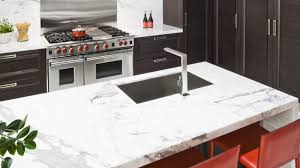
Marble Kitchen Countertops: Pros, Cons, Costs & Care (Complete 2026 Guide)
Marble kitchen countertops make sense when the goal is visual impact and premium design—and when the owner is willing to follow a...
Read out all
Wooden Work: Master or Dabbler – Expert Tips for Beautiful Creations
Wooden work is a timeless craft that blends creativity, skill, and practicality. From simple shelves to handcrafted furniture, woodworking allows you to...
Read out all
Atta Gondony Wali Machine – Complete Buying Guide (2026)
In 2026, the demand for Atta Gondony Wali machines has significantly increased across Pakistan. From small neighborhood bakeries to large restaurant chains...
Read out all
Free Website Hosting and Domain Name Registration: What Is Legitimately Free?
2026 is a great time to spend $0 building a website. I’ve done it myself for quick tests, early storefront pilots, and...
- and projects that needed to go live fast. The trick is choosing the right kind of free—one that does not trap your domain
- and scalable. First
- and your website can stay portable
- early storefront pilots
- Free Domain Name Registration
- Free Web Hosting and Domain Name Registration: What Is Legitimately Free? 2026 is a great time to spend $0 building a website. I’ve done it myself for quick tests
- Free Website Hosting
- Free Website Hosting And Domain Name Registration
- limit your growth
- or force you to start over later. There are three real “free” routes available today: Subdomain hosting Hosting with a free domain (first year) Free credits (students
- professional
- promotions) Make the right choice
- startups
- understand the difference between hosting and a domain. Before comparing free offers