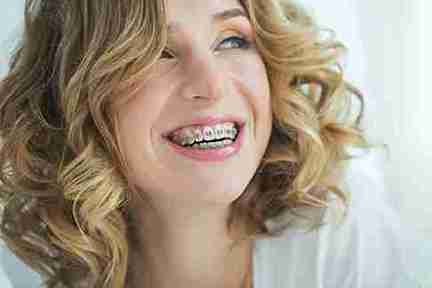
Cleft lip and palate (CLP) is among the most common congenital conditions that affect children worldwide, influencing not just facial appearance but also speech, feeding, and oral function. While surgical procedures correct the physical split, orthodontic treatment ensures that teeth, jaws, and facial structures develop harmoniously as the child grows. Through early and well-planned intervention, orthodontic solutions can transform both the function and aesthetics of a patient’s smile, providing long-term comfort, confidence, and oral health.
Understanding Cleft Lip and Palate
Cleft lip and palate occur when the tissues forming the upper lip or the roof of the mouth do not fully merge during early pregnancy. This incomplete formation can result in:
- A small gap or notch in the lip
- A separation extending through the upper gum and palate
- Difficulty in speech, feeding, or breathing
Beyond visible differences, this condition can lead to dental complications such as misaligned teeth, narrow jaws, and improper bite patterns. Without proper care, these issues can affect jaw growth and overall facial balance. That’s why early orthodontic evaluation, often starting in infancy, is crucial to support healthy oral and facial development.
The Role of Orthodontics in CLP Management
Orthodontic care plays a critical role in the multidisciplinary treatment plan for CLP patients. An orthodontist Mansfield collaborates closely with oral surgeons, paediatric dentists, and speech therapists to ensure a holistic approach. Their responsibilities go far beyond aesthetics ,they focus on creating a balance between appearance, comfort, and function.
Key objectives of orthodontic management include:
- Guiding jaw and facial growth for proper proportion and symmetry
- Aligning teeth to improve bite and speech
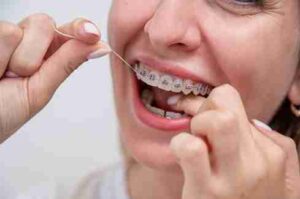
- Enhancing oral hygiene and ease of cleaning
- Preparing teeth and jaws for surgical and restorative procedures
By intervening at the right time, orthodontists can influence jaw development, prevent severe misalignment, and make subsequent surgical procedures more effective.
Treatment Phases and Orthodontic Approaches
Orthodontic treatment for cleft lip and palate is typically delivered in structured phases that align with a child’s growth milestones. Each stage focuses on improving both oral function and facial balance.
| Phase | Age/Stage | Primary Goal | Orthodontic Solution |
| Pre-Surgical | Birth to 1 year | Prepare alveolar segments for surgical repair | Nasoalveolar Moulding (NAM) |
| Mixed Dentition | 6–12 years | Correct crossbites and guide tooth eruption | Palatal expanders, early braces |
| Permanent Dentition | 12–18 years | Align teeth and correct bite | Braces, clear aligners, functional appliances |
| Retention & Monitoring | Post-treatment | Maintain results and monitor facial growth | Retainers and regular assessments |
Continuous follow-ups allow orthodontists to make timely adjustments as the face and jaws develop. Should discomfort, appliance breakage, or urgent pain occur during treatment, patients can reach out to an emergency dentist in Mansfield for prompt care. Immediate intervention ensures no interruption in the orthodontic process and helps prevent further complications.
Common Challenges in CLP Orthodontics
Orthodontic treatment for cleft patients can present unique challenges compared to conventional cases. The following factors often require tailored strategies:
- Dental irregularities: Missing or malformed teeth are common in the cleft area, complicating alignment.
- Jaw discrepancies: Uneven growth between the upper and lower jaws may require functional appliances or surgical support.
- Oral hygiene difficulties: Appliances make cleaning more complex, increasing the risk of gum disease.
- Psychological impact: Prolonged treatment and visible appliances can affect confidence, particularly in young patients.
Through regular consultations and customised care plans, orthodontists help patients overcome these challenges with minimal discomfort and maximum benefit.
Expert Tips for Patients and Caregivers
Effective orthodontic care for CLP patients requires both professional precision and daily home management. Families play a vital role in ensuring long-term success.
Daily Hygiene:
- Brush after every meal and carefully clean around braces or expanders.
- Use fluoride toothpaste to strengthen enamel and prevent decay.
- Incorporate antibacterial mouthwash if recommended by your orthodontist.
Lifestyle & Diet:
- Avoid hard or sticky foods that may damage appliances.
- Limit sugary snacks to prevent plaque build-up.
- Encourage balanced nutrition to promote healthy bone growth.
Treatment Adherence:
- Ensure all appliances are worn exactly as instructed.
- Attend every scheduled appointment to track progress.
- Monitor sleep and breathing habits, as mouth breathing may indicate airway concerns.
Emotional Support:
- Discuss each treatment phase with your child to ease anxiety.
- Celebrate small milestones to maintain motivation.
- Seek guidance from support networks if needed.
For any urgent issues such as broken wires or significant pain, patients are advised to contact an emergency dentist in Mansfield. Prompt assistance prevents complications that could disrupt orthodontic progress.
Innovative Orthodontic Solutions for CLP Patients
Advancements in orthodontic technology have significantly improved the experience and outcomes for CLP patients. Modern tools and techniques allow for more precise, comfortable, and faster treatments.
Key innovations include:
- 3D imaging and digital scans: Enables detailed planning of tooth movement and jaw correction.
- Customised appliances: Designed to fit each patient’s anatomy for improved comfort.
- Clear aligners: Offer discreet and efficient alignment for certain adolescent and adult cases.
- Functional jaw devices: Encourage proper development of facial structure and airway support.
These innovations, when applied under expert supervision, not only enhance results but also reduce treatment time and discomfort.

Family Involvement and Long-Term Support
Family participation plays an essential role in the success of orthodontic treatment for cleft lip and palate. When parents and caregivers actively support daily routines, it promotes consistent progress and emotional wellbeing.
Ways families can support treatment include:
- Supervising oral hygiene routines daily.
- Encouraging consistent appliance wear.
- Communicating with the orthodontist about any discomfort or changes.
- Reinforcing positive behaviour and patience during long treatments.
Benefits of Family Support:
- Improved treatment compliance and hygiene
- Reduced dental anxiety for the child
- Better emotional resilience throughout the orthodontic journey
Regular encouragement and open communication between families and the orthodontic team foster trust and ensure lasting results.
Conclusion
Caring for patients with cleft lip and palate requires more than just technical skill—it demands patience, empathy, and teamwork. Orthodontic treatment not only refines smiles but also improves function, speech, and confidence, contributing to a healthier, happier future. With the right combination of early intervention, modern technology, and family involvement, patients can achieve exceptional outcomes that last a lifetime.For families in Mansfield, expert orthodontic care is readily available to guide each step of the journey. With personalised treatment plans, consistent follow-ups, and compassionate support, patients can look forward to improved oral function, facial harmony, and a confident smile that reflects their resilience and strength.
Author

john@gmail.com
Related Posts
Conshohocken Botox Injections for Modern Skin Rejuvenation
Modern skincare is no longer limited to creams and facials. Many people now choose minimally invasive cosmetic treatments to maintain youthful healthy...
What Makes Best Doctors in Dubai Leaders in Breast Augmentation
Understanding the Before and After of Breast Augmentation The journey of breast augmentation in Dubai starts with understanding the before and after...
Read out all
Benefits of Visiting the Best Aesthetic Clinic in Dubai for Preventative Aesthetic Care
Preventative aesthetic care is the cornerstone of youthful, radiant skin, and the Best Aesthetic Clinic in Dubai is leading this approach with...
Read out all
Exploring 5-MAPB Pellets – Research Chemicals
5-MAPB (5-(2-Aminopropyl)benzofuran) is a chemical that has caught the attention of those interested in research chemicals. The substance offers a combination of euphoric, stimulating,...
Read out all
The Rising Popularity of Botox According to the Best Plastic Surgeons in Dubai
In recent years, Botox has become one of the most popular cosmetic treatments in the world. Dubai, known for its luxury lifestyle...
Read out all
Acne Scars Treatment In London: Professional Skin Treatments to Reduce Acne Marks and Improve Skin Clarity
Understanding Acne Scars Treatment In London at Linde DermaLab Clinic Acne scars can significantly impact both the appearance and confidence of individuals....
Read out all