
Pakistan’s criminal justice system is designed to ensure fairness, accountability, and adherence to the rule of law. That is why understanding the Criminal court process in Pakistan is essential for interpreting legal rights, procedural obligations, and the role of law enforcement and judicial authorities.
From the initial registration of a case to the final verdict, the system follows a structured path that balances prosecution, defense, and judicial oversight. To know more about the criminal court process in Pakistan m, stay, scroll and read more.
Registration of FIR and Investigation Stage
Filing of FIR Under CrPC
The process begins with the filing of a First Information Report (FIR), which serves as the official record of a cognizable offence. Police officers are legally required to register complaints quickly, distinguishing between cognizable and non-cognizable offences. This registration is important, as it results in the formal investigation process and lays the foundation for subsequent legal proceedings.
Police Investigation and Evidence Collection
After the FIR is lodged, the police conduct an investigation under the provisions of the Criminal Procedure Code (CrPC). Statements of witnesses and involved parties are recorded, often under Section 161 of the CrPC.
Medical examinations, forensic analysis, and collection of documentary evidence form part of the investigative framework. A comprehensive investigation ensures that both the prosecution and defense have access to verified material before court proceedings begin.
Arrest, Bail, and Pre-Trial Proceedings
Engaging the best criminal defense lawyers in Pakistan at the pre-trial stage is crucial for protecting the legal rights of the accused. Legal counsel can ensure adherence to procedural safeguards during arrest, remand, and bail hearings, providing strategic guidance that may influence the course of action of the case.
Arrest Procedure and Remand
An accused may be placed under physical or judicial remand depending on the nature of the offence and investigation requirements. Magistrates supervise remand periods to prevent unlawful detention. Police must follow the statutory framework during arrests, including informing the accused of their rights and producing them before a magistrate within given time limits.
Bail Process in Criminal Cases
Bail provisions differ for bailable and non-bailable offences. Pre-arrest bail is sometimes granted to prevent unnecessary incarceration, while post-arrest bail requires judicial approval. Courts consider the severity of the offence, risk of evidence tampering, and likelihood of flight when deciding on bail. These mechanisms aim to balance individual liberty with the public interest.
Role of Defense Representation
Legal representation is important during pre-trial proceedings. Defense lawyers advise on procedural compliance, challenge illegal detentions, and assist in preparing applications for bail. Also, skilled counsel can guide investigative responses and ensure that constitutional rights remain protected during the early stages of the case.
Trial Proceedings in Criminal Courts
Early involvement of best criminal defense lawyers in Lahore significantly impacts trial outcomes. Their expertise facilitates effective cross-examination, presentation of evidence, and strategic advocacy, which collectively influence the court’s evaluation of the case.
Framing of Charges
Once the investigation is complete, the court reviews the evidence and formally frames charges against the accused. The accused is given an opportunity to plead, which helps in establishing the basis for trial proceedings. Proper framing ensures that both prosecution and defense have clarity on the scope of the allegations.
Prosecution Evidence and Cross-Examination
The prosecution presents its case by calling witnesses, submitting documents, and providing expert testimony. Defense counsel cross-examines witnesses to test the credibility and consistency of their statements. This process ensures that the court receives a balanced and accurate account of events.
Statement of the Accused and Defense Evidence
Under Section 342 of the CrPC, the accused may provide a statement, addressing allegations in their own words. Defense witnesses and documentary evidence are then introduced to see if the accused’s version matches it. This stage focuses on procedural fairness, allowing the defense to present a comprehensive counter-narrative.
Judgment, Sentencing, and Appeals
Pronouncement of Judgment
After considering evidence from both sides, the court delivers a judgment, resulting in either conviction or acquittal. The verdict is accompanied by reasoning, which explains the judicial assessment of evidence and legal principles applied.
Sentencing Guidelines
Convicted individuals receive sentences determined by judicial discretion, guided by statutory provisions. Courts consider aggravating and mitigating circumstances, aiming to administer justice proportionate to the offence while upholding deterrent objectives.
Right to Appeal
The criminal justice system provides avenues for appeal. Convictions from lower courts may be challenged in the Sessions Court or High Court, and subsequent appeals may reach the Supreme Court. This structure ensures oversight, error correction, and adherence to the principles of natural justice.
Conclusion
The criminal court process in Pakistan is a structured journey from FIR to final verdict, ensuring procedural fairness and accountability at each stage. Compliance with CrPC provisions, timely legal representation, and adherence to judicial safeguards collectively protect both societal interests and individual rights, reinforcing the credibility of Pakistan’s justice system.
Author

john@gmail.com
Related Posts

What Personal Data Should I Avoid Storing on an NFC Business Card?
Picture this: You’re at a networking event, confidently tapping your sleek NFC business card against someone’s phone. In seconds, your information transfers...
Read out allExperience Dubai in Style: Rent a Luxury Audi in Dubai
Dubai is a city where luxury meets innovation. From iconic skyscrapers to stunning beaches and world-class entertainment, the city offers experiences that...
Read out allInsurance Confusion During Vehicle Shifting – What You Must Check
Vehicle shifting insurance baffles many in Nagpur, leading to denied claims and shock bills. Comprehensive motor policies don’t cover transit—enter car shifting service...
Read out all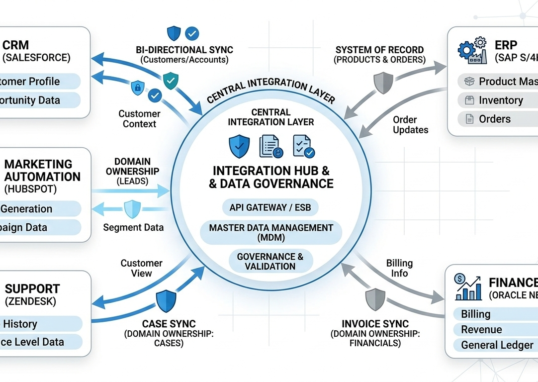
Data Ownership Models in Multi-System Integrations
Modern organizations operate in complex digital ecosystems. Customer data flows across CRM platforms, ERP systems, marketing automation tools, finance software, and support...
Read out all
Plumbers Near Me: Trusted Local Experts for Fast Repairs
Finding a trustworthy plumber near me saves time, money, and stress when a leak or clog disrupts your day. Look for licensed local...
Read out all
Residential Snow Removal Near Me: Trusted Local Service for Home Driveways
When snow threatens your driveway and walkways, you want a fast, reliable solution you can hire today. You can find local residential snow...
Read out all