
- 0
- 1,108 word
Starting your journey with machine stitching is exciting. You pick colors, choose fabric, and load your first embroidery design. Then something goes wrong. The stitches look messy. The fabric puckers. The thread breaks.
If this sounds familiar, do not worry. Every beginner makes mistakes. The good news is that most problems are easy to fix once you understand them. Let’s look at the five most common mistakes and how you can avoid them.
Why Do Beginners Struggle With Embroidery Design
Many beginners focus only on how the final design looks. They forget about fabric type, thread tension, and stabilizers.
You may notice that even a beautiful embroidery design can fail if the setup is wrong. Here’s why it matters. Machine embroidery is not just art. It is technique, balance, and preparation.
Mistake 1 Choosing the Wrong Fabric
Fabric choice is one of the biggest beginner errors. Not all fabrics behave the same way.
Thin fabric can wrinkle. Stretch fabric can shift. Thick fabric can resist needles.
How to Fix It
Start with stable fabric like cotton. Cotton is easy to hoop and holds stitches well.
If you use stretchy material, add strong cut away stabilizer. For delicate fabric, use light tear away backing. Matching fabric with the right embroidery design improves results instantly.
Mistake 2 Skipping the Stabilizer
Many beginners think stabilizer is optional. It is not.
Without stabilizer, fabric moves during stitching. This causes puckering and uneven stitch density.
How to Fix It
Always use stabilizer under your fabric. Choose based on fabric type:
- Cut away for stretch fabrics
- Tear away for woven cotton
- Water soluble for delicate projects
Using proper embroidery backing keeps your design clean and sharp.
Mistake 3 Ignoring Thread Quality and Tension
Thread breaks are frustrating. Loops under the fabric look messy. Often, the problem is poor thread or wrong tension.
Cheap thread frays easily. Wrong tension creates loose or tight stitches.
How to Fix It
Use high quality polyester or rayon thread. Check your upper and bobbin thread tension before starting.
Test stitch on scrap fabric first. Small tension adjustments can completely improve your embroidery design quality.
Mistake 4 Choosing Complex Designs Too Early
It is tempting to pick a large and detailed pattern. But beginners often struggle with too many color changes and heavy fill stitches.
Complex digitized patterns require strong understanding of machine settings.
How to Fix It
Start simple. Choose:
- Small size designs
- Basic shapes
- Simple lettering
- Fewer color changes
As your skills grow, you can move to advanced custom embroidery patterns. Simple practice builds confidence and control.
Mistake 5 Not Testing Before Final Stitching
Many beginners skip test stitching. They load the design and start stitching directly on a shirt or jacket.
If something goes wrong, the garment gets ruined.
How to Fix It
Always test your embroidery design on similar scrap fabric.
Check for:
- Thread tension balance
- Proper stitch alignment
- Fabric stability
- Clean color transitions
Testing saves time, fabric, and money.
Bonus Mistake Poor Hooping Technique
Even experienced beginners sometimes hoop fabric too loosely. Loose fabric shifts during stitching.
This causes crooked designs and uneven fill areas.
How to Fix It
Place stabilizer under fabric. Tighten the hoop firmly. The fabric should feel smooth like a drum surface.
Good hooping improves stitch accuracy and overall embroidery design appearance.
How to Improve Your Embroidery Results Step by Step
If you feel overwhelmed, here is a simple improvement plan.
Step 1 Practice on Cotton Fabric
Cotton is stable and beginner friendly. It helps you focus on stitch quality.
Step 2 Learn Basic Stitch Types
Understand run stitch, satin stitch, and fill stitch. Each stitch serves a different purpose.
Step 3 Study Stitch Density
Too many stitches can make fabric stiff. Too few can leave gaps. Balanced stitch density creates professional results.
Step 4 Keep Your Machine Clean
Dust and thread lint affect performance. Clean the bobbin area regularly for smooth stitching.
Following these steps helps you avoid repeated embroidery design errors.
How Digitizing Impacts Final Results
Many beginners do not realize how important digitizing is. A poorly created file leads to thread breaks and misaligned stitches.
Good digitizing adjusts stitch direction, density, and underlay for specific fabrics.
Professional support from experienced providers like <a href=”https://zdigitizing.net/”>Zdigitizing</a> encourages beginners to work with properly prepared files. This makes learning smoother and more enjoyable. When your file is clean, your stitching becomes easier.
Signs Your Embroidery Setup Is Correct
You may wonder how to know if everything is working properly. Look for these signs:
- Fabric lies flat after stitching
- No loose threads underneath
- Colors look sharp and clean
- Design feels balanced, not stiff
If you see these results, your embroidery design process is on the right track.
Quick Troubleshooting Guide
If something goes wrong, stay calm. Most issues have simple fixes.
Problem Fabric puckering Solution Add stronger stabilizer and reduce stitch density.
Problem Thread breaking Solution Check needle size and thread quality.
Problem Gaps in fill areas Solution Adjust stitch density or use proper underlay.
Problem Crooked design Solution Re hoop fabric tightly and test again.
Small corrections create big improvements.
Why Practice Makes a Big Difference
Machine embroidery is like learning to ride a bicycle. The first attempts may look messy. But with practice, control improves.
You may notice that after five or six projects, your stitching becomes cleaner. You understand your machine better. Your confidence grows.
Each mistake teaches you something new about embroidery design and fabric behavior.
Final Thoughts
If you are serious about improving your embroidery skills, avoid rushing the process. Focus on learning the basics first. Use stable fabric, proper stabilizers, and quality thread. Test before final stitching.
Many beginners grow faster when they use professionally prepared files from trusted sources like Zdigitizing. With patience and the right guidance, your embroidery design results can look neat, professional, and long lasting.
Remember, mistakes are part of learning. Fix them step by step, and your stitching journey will become enjoyable and rewarding.
FAQs
1 Why does my fabric wrinkle after stitching
Wrinkling usually happens due to weak stabilizer or high stitch density. Use proper backing and test before final stitching.
2 How do I stop thread from breaking
Use high quality thread and check needle size. Adjust tension slightly and test on scrap fabric.
3 What is the best fabric for beginners
Cotton fabric is best. It is stable and easy to manage during hooping and stitching.
4 Can I resize an embroidery file
Yes, but large resizing can affect stitch quality. Keep changes small to maintain design balance.
5 How long does it take to master embroidery
Basic skills can be learned in weeks. Mastery comes with regular practice and careful testing.
Keep practicing, stay patient, and enjoy every stitch you create.
Author

john@gmail.com
Related Posts
Sp5der Hoodie
- 0
- 374 words
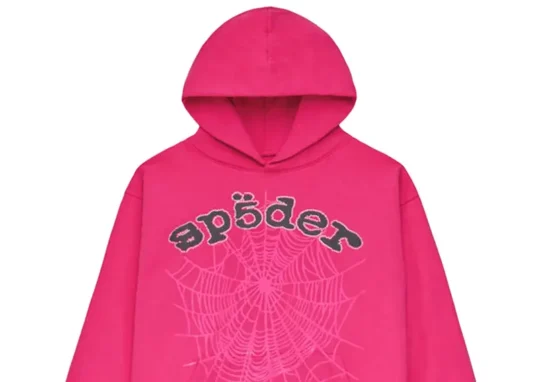
A Sp5der Hoodie is a popular streetwear hoodie from the Sp5der fashion brand created by rapper Young Thug. The brand blends hip-hop...
Read out allPalace Tracksuits: Why Everyone in the US Wants This Streetwear Essential?
- 0
- 910 words
Palace Tracksuits are more than just clothing—they are a statement of skate culture and street style. Fans of Palace Skateboards apparel collections...
Read out allBuild Your Ultimate Collection of Zach Bryan Merch: Hoodies, Tees, and Tour Favorites
- 0
- 878 words
Fans of Zach Bryan know that Zach Bryan Merch is more than just clothing it’s a way to stay connected to his...
Read out all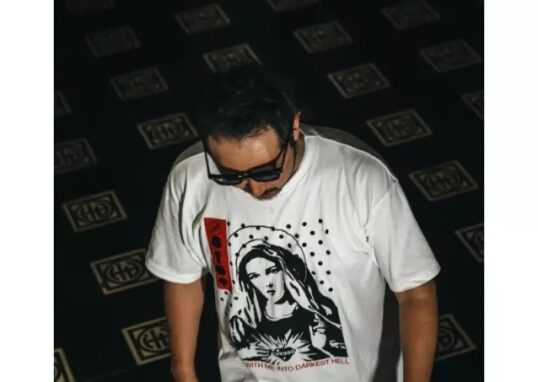
Saint Michael Clothing: A Bold Expression of Modern Street Fashion
- 0
- 1,361 word
Streetwear has changed the fashion world in the last few years. Many brands have appeared, but Saint Michael Clothing has created a...
Read out all
Stussy Clothing France Streetwear Cool et Moderne
- 0
- 1,071 word
Stussy est une marque qui incarne parfaitement le style streetwear cool en France. Elle combine créativité, confort et modernité pour proposer des...
Read out all
Smart Everyday Keen Footwear Choices for Comfort, Style, and Long-Lasting Performance
- 0
- 1,418 word
Choosing the right footwear is more important than many people realize. Shoes are not only a fashion statement but also a crucial...
Read out all