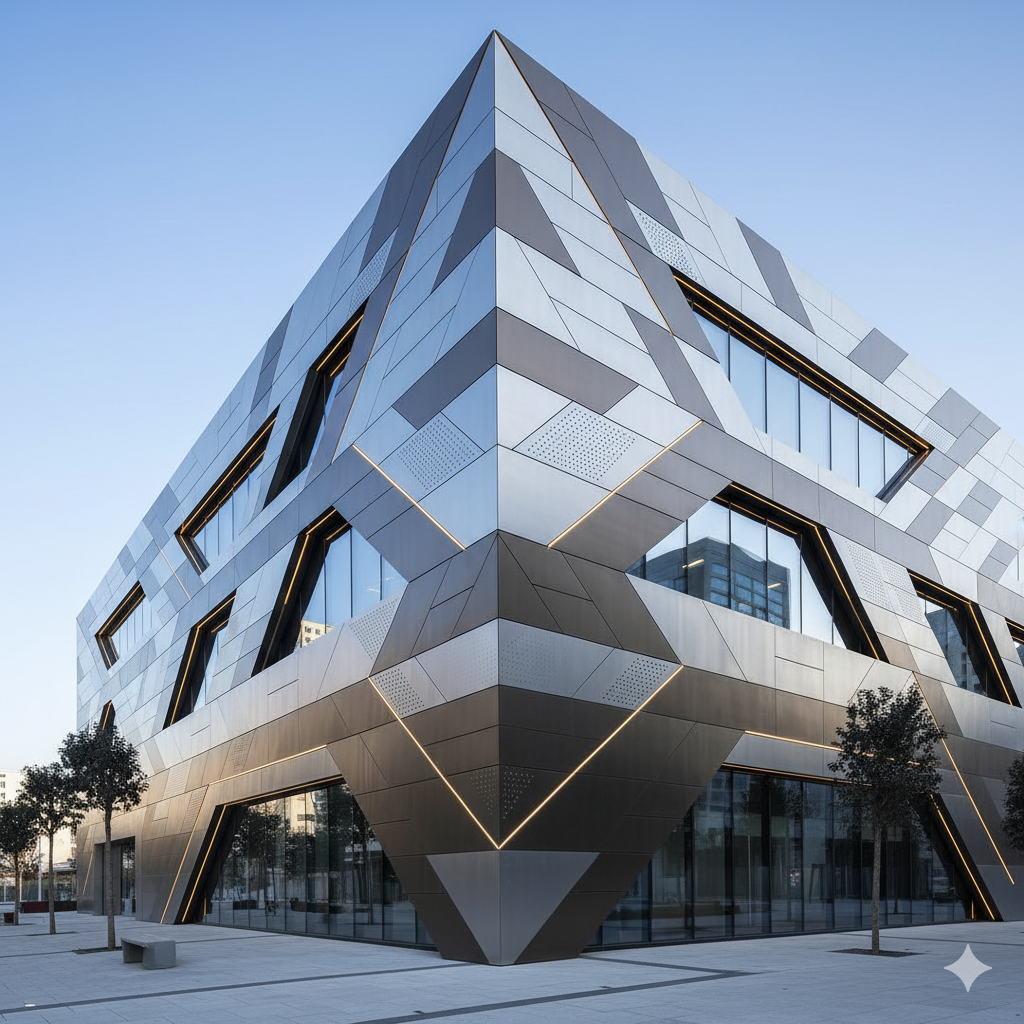
Stone facade gives your building lasting curb appeal while offering practical benefits like weather protection and low maintenance. If you want a durable, attractive exterior that can mimic natural stone or deliver the real thing with modern installation systems, a stone facade is one of the smartest cladding choices you can make.
This article breaks down what a stone facade actually is, the materials and systems commonly used, and what installation and upkeep look like so you can decide what fits your project and budget. You’ll get clear guidance on performance, realistic appearance options, and simple maintenance steps to keep your facade looking its best for years.
Stone Facade Fundamentals
Stone facades combine material choice, attachment method, and maintenance requirements to deliver appearance and weather protection. You’ll decide based on stone type, fixing system, and the building’s structural and thermal needs.
What Is a Stone Facade?
A stone facade is an exterior cladding system that uses natural stone slabs, tiles, or units attached to a building’s wall or subframe. It can be load-bearing stonework (masonry) or a non-structural rainscreen where stone is fixed to a supporting frame.
You should note the two main delivery methods: direct mortar bedding for traditional masonry and mechanical anchoring (undercut anchors, brackets, or concealed fixings) for panel systems. Each method affects ventilation, thermal bridging, and maintenance access.
Key technical aspects to check are stone density and porosity, anchor corrosion resistance, and interface details at windows, corners, and parapets. These control longevity and performance in your climate.
Popular Types of Stone Facades
Common natural stones include granite, limestone, marble, travertine, and sandstone. Granite resists frost and abrasion; limestone offers a uniform appearance; marble gives veining and polish; travertine provides texture; sandstone shows warm hues.
You’ll also encounter dimension stone panels, thin-bed cladding, and handcrafted ashlar or rubble masonry. Dimension stone panels are precision-cut and suit rainscreen systems. Thin-bed veneers reduce weight and allow retrofit on existing structures.
Composite stone panels and engineered stone mimic appearance but alter attachment and thermal behavior. Choose by assessing load capacity, expected weathering, and the visual grain or pattern you want to preserve.
Benefits of Stone Facades
Durability: natural stone resists UV, wind, and mechanical wear better than many alternatives, often lasting decades with appropriate anchoring. You’ll face lower replacement frequency.
Aesthetics and value: stone offers unique color, veining, and texture that ages gracefully and can increase perceived building quality. It supports both historic and contemporary styles.
Thermal and moisture performance depend on assembly: ventilated rainscreens with stone reduce condensation risk and improve façade drying. Proper detailing minimizes thermal bridges and simplifies maintenance routines.
Sustainability and lifecycle: stone can be locally sourced, requires limited processing, and is recyclable. You should weigh embodied carbon of quarrying and transport against long service life and low maintenance.
Installation and Maintenance
You will learn the practical installation approaches, the preparatory steps that reduce failure risk, and the routine tasks that preserve appearance and performance.
Installation Methods for Stone Facades
You can choose between three common fixing systems: full-bed mortar, mechanical anchors on a drained cavity, and adhered thin-veneer systems. Full‑bed mortar suits heavy natural or cast stone on load‑bearing walls; set stones on a continuous mortar bed and use stainless steel reinforcement where required. Mechanical anchoring works best for ventilated rainscreens and large panels; it relies on a continuous substrate, flashing, and stainless anchors or brackets to transfer loads and allow drainage. Adhered thin‑veneer systems use cementitious or polymer-modified mortar over a prepared substrate and require corrosion‑resistant lath and control joints.
Select anchors, mortar, and sealants rated for exterior use and compatible with the stone type. Follow manufacturer spacing tables for anchors and leave recommended joint widths. Ensure you specify fire performance and wind‑load requirements for your location.
Preparing for Stone Facade Installation
Start by confirming substrate capacity, flatness tolerance, and weatherproofing details. For ventilated systems, install a continuous air/water barrier, vertical or horizontal drainage plane, and a rigid sheathing with proper fasteners. Measure and lay out stones to minimize small cuts and maintain coursing; create a mock‑up to verify color, joint width, and setting pattern.
Order extra material (typically 10–15% overage) to account for waste and cuts. Provide flashing, weep holes, and end dams at all horizontal transitions and openings. Protect adjacent finishes and schedule installation during temperate, dry weather when possible to ensure proper mortar curing.
Maintenance and Durability
Inspect the facade twice yearly and after major storms for loose units, cracked mortar, or efflorescence. Clean using low‑pressure water and a neutral pH cleaner; avoid acid or abrasive methods on calcareous stones. Remove biological growth with biocide products formulated for masonry and rinse thoroughly.
Repoint deteriorated joints with matching mortar and replace corroded anchors immediately. Reseal if the manufacturer recommends a breathable sealer; test a small area first. Keep drainage paths clear and repair flashing or membrane failures promptly to prevent freeze‑thaw and salt damage.
Author

admin@genesisgoldassets.com
Related Posts

List of Smart Lighting Trends in Pakistan 2026 That You Must Know
The demand for Smart Lighting Trends in Pakistan 2026 is growing rapidly as homes, businesses, and commercial spaces shift toward automation, efficiency,...
Read out all
Tarpaulin Sheets That Handle Wind, Rain, and Snow
The weather can change rapidly. One bright sunny day came. You can expect windy, rainy, or snowy weather the next day. Bad...
Read out all
Binghatti Developer: Redefining Modern Real Estate in Dubai
Dubai’s skyline is a visual statement of ambition, and at the center of many of its newest residential landmarks stands Binghatti Developer....
Read out all
Top Benefits of CCTV Cameras for Business Security
Running a business comes with endless excitement and ambition, but it also brings a quiet responsibility that never leaves your mind. Every...
Read out all
Wedding Light Decoration Ideas That Set the Perfect Ambiance
Lighting is among the most influential things in the creation of a memorable wedding atmosphere. It affects the atmosphere, improves photography, and...
Read out allThe Power of One: Why the Single Panel Shaker Door Defines Modern Canadian Interiors
There is a peculiar magic in simplicity. In an age of information overload, endless notifications, and visual clutter, the Canadian home has...
Read out all